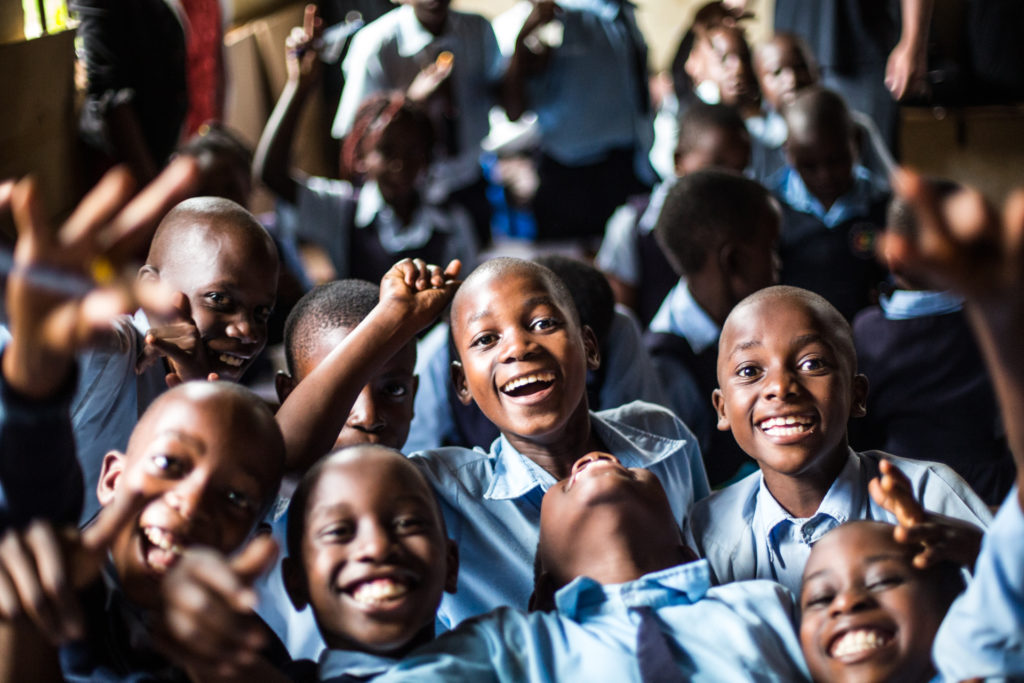
The primary goal of lower primary education is to ensure every child acquires foundational learning competencies necessary for future academic success. Key objectives include:
Universal Literacy and Numeracy: Ensuring all learners achieve minimum proficiency in reading, writing, and basic mathematical operations by the end of Grade 3.
Holistic Development: Supporting physical, emotional, social, and cognitive growth to build well-rounded individuals.
Citizenship Preparation: Instilling basic moral values, social responsibility, and an understanding of community and cultural heritage.
School Adaptation: Helping children adjust to formal school routines, longer instructional hours, and structured classroom environments.
Critical Thinking Foundation: Moving beyond rote memorization to encourage curiosity, questioning, and basic problem-solving skills.
.jpeg)
By the end of the lower primary cycle, a child is expected to be a confident reader, a competent problem-solver in basic math, and a socially adjusted individual ready for the more abstract concepts introduced in upper primary education.
Reading, Writing, Speaking & Listening.
Number Sense, Measurement & Geometry, Data Handling.
Scientific Inquiry, Social Awareness, Health & Hygiene.
Arts, Physical Education.