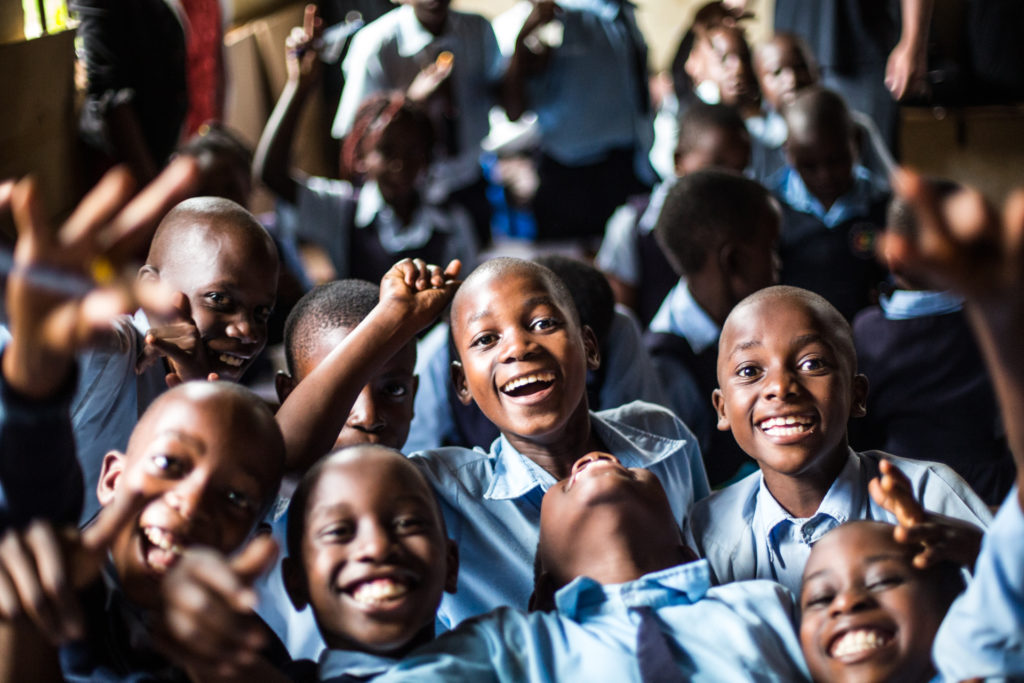
The primary goal of pre-primary education is to foster holistic growth across four key domains: cognitive, physical, social, and emotional. Research indicates that these early years are fundamental for rapid brain development, laying the groundwork for future academic success and lifelong learning habits.
School Readiness: It eases the transition to formal schooling by familiarizing children with classroom routines, group dynamics, and following instructions.
Socialization: Children learn essential interpersonal skills such as sharing, cooperation, conflict resolution, and effective communication with peers and adults.
Foundational Skills: Through guided play, learners acquire early literacy (listening, speaking, pre-reading) and numeracy (counting, sorting, patterning) skills.
Motor Development: Activities are designed to refine both gross motor skills (running, jumping) and fine motor skills (drawing, cutting, manipulating small objects).
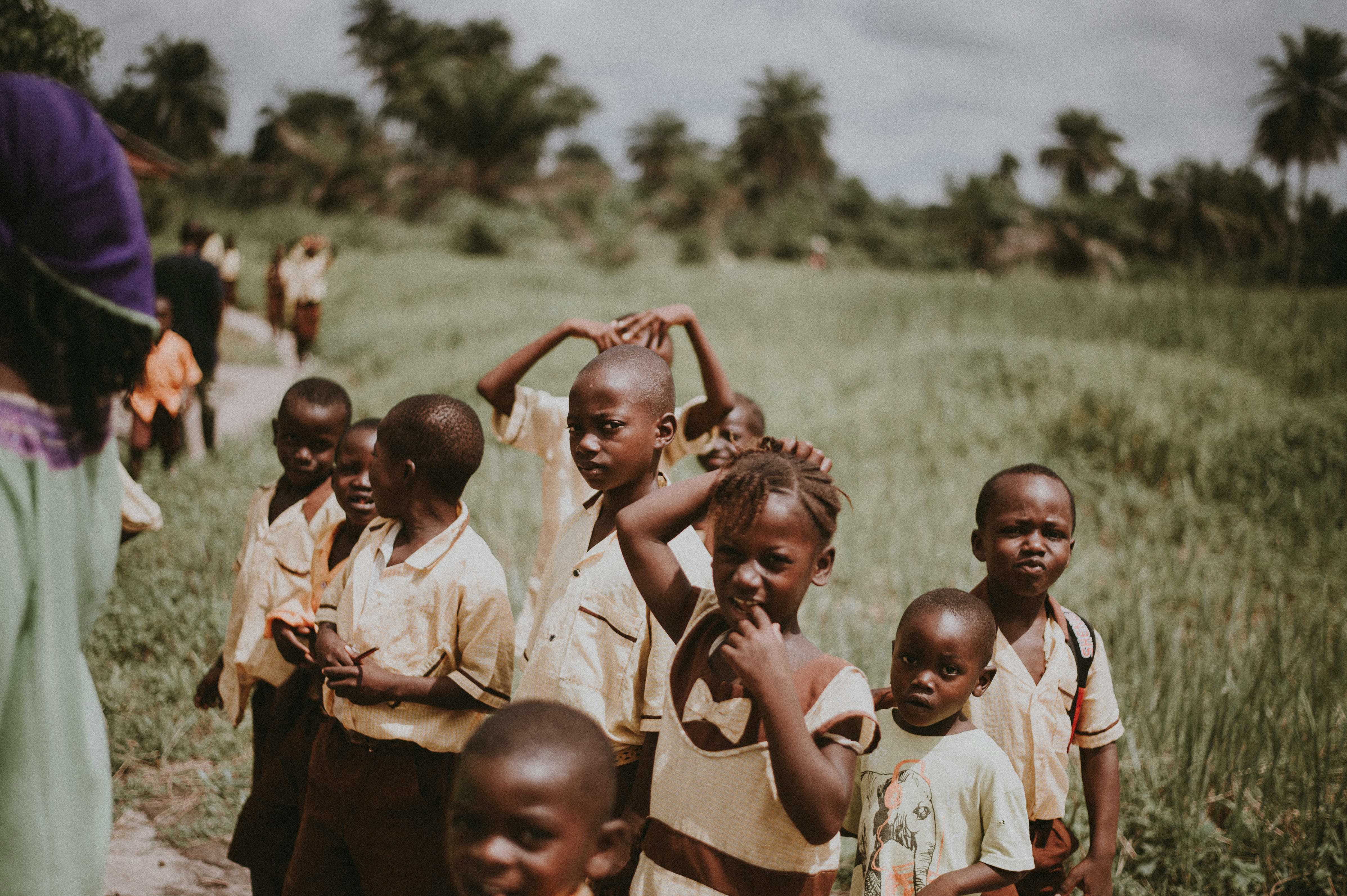
Curricula worldwide emphasize play-based learning as the most effective method for this age group.
While specific content varies by culture, common activities include:
Enhancing vocabulary, listening comprehension, and phonemic awareness through songs, rhymes, and interactive reading.
Using blocks, puzzles, and beads to develop spatial awareness, logical reasoning, and hand-eye coordination.
Engaging in painting, drawing, music, and drama to express emotions and foster creativity.
Outdoor activities like gardening, nature walks, and observing weather patterns to build environmental awareness and scientific curiosity.
Simulating real-life scenarios (e.g., markets, homes, hospitals) to understand social roles and develop empathy.