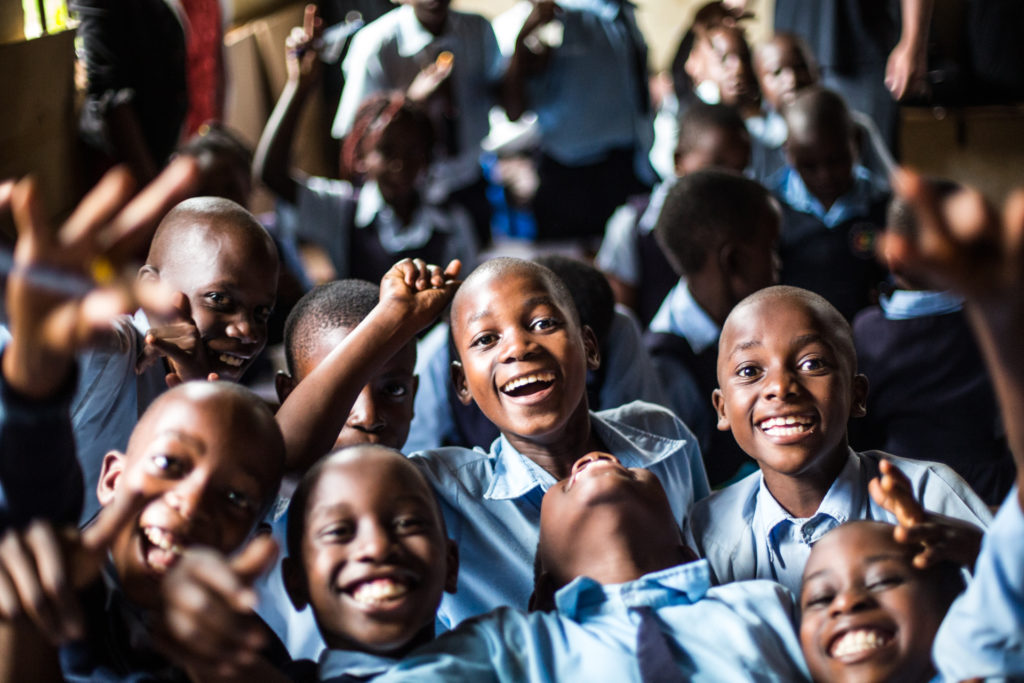
The primary goal of upper primary education is to deepen foundational competencies and prepare learners for increased academic rigor. Key objectives include:
Competency Consolidation: Strengthening literacy, numeracy, and digital literacy skills to ensure learners can apply knowledge to real-life situations.
Talent Identification: Exposing learners to a broader range of subjects and co-curricular activities to identify and nurture individual talents and career interests.
Critical Thinking & Problem Solving: Moving beyond rote learning to foster analytical skills, creativity, and the ability to solve complex problems.
Social & Emotional Development: Promoting self-efficacy, citizenship, and ethical values (love, respect, unity, peace) to build responsible members of society.
Transition Readiness: Preparing learners academically and psychologically for the transition to Junior Secondary School .
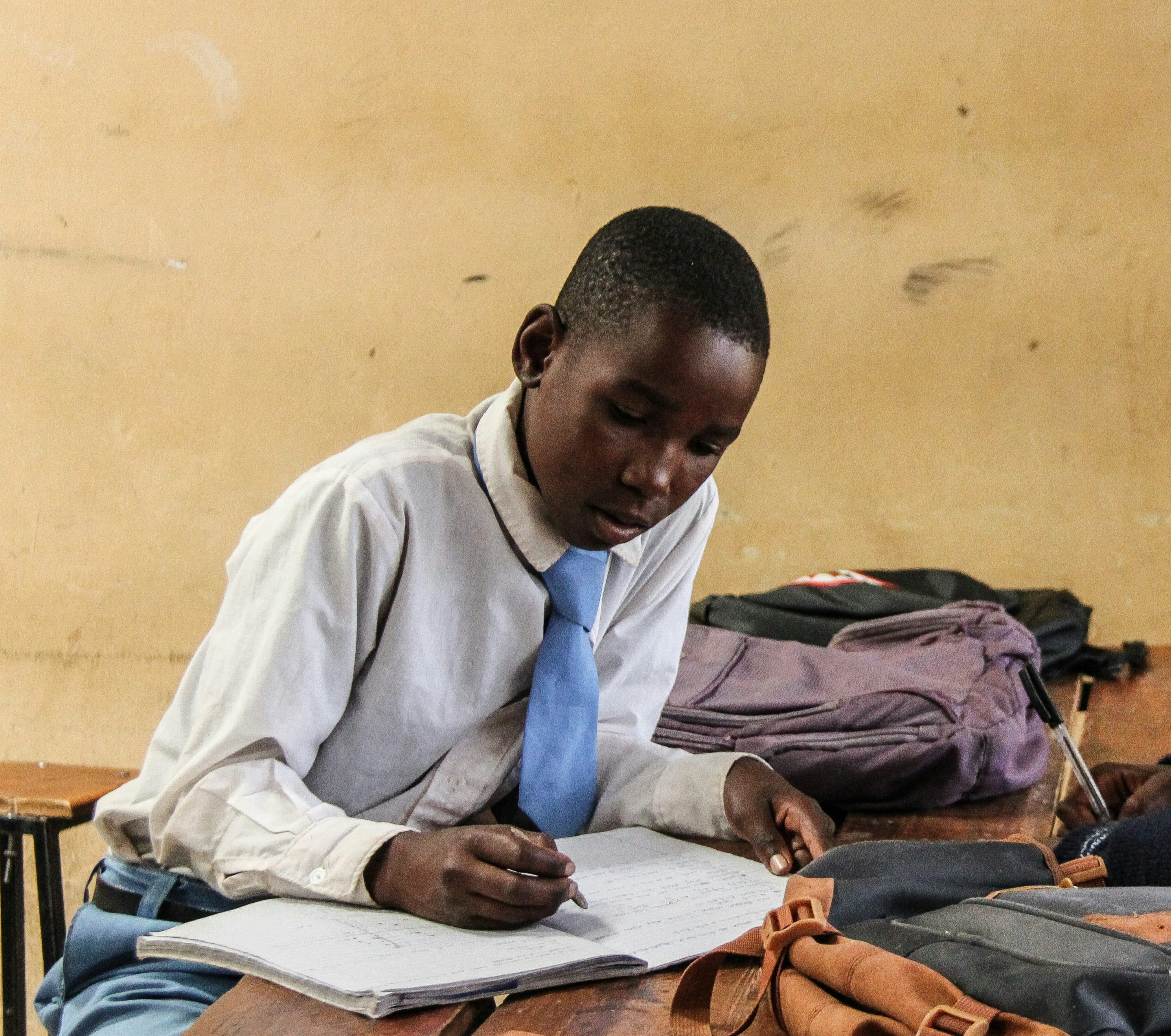
The curriculum expands into distinct learning areas with increased depth and abstraction.
Unlike lower primary, upper primary includes more formal summative assessments alongside continuous formative assessment. Learners undergo a national assessment at the end of Grade 6 to monitor readiness for Junior Secondary, though it is not used for high-stakes ranking.
Advanced Literacy, Language Proficiency, Communication.
Mathematical Reasoning, Scientific Inquiry, Application, Upper primary science and math activities.
Civic Education, Geography & History, Global Awareness.
Digital Literacy, Creative Expression, Physical Education.
Values Integration: Deepening understanding of moral values (integrity, social justice).